
Jewelry Wear and Tear: A Complete Care and Repair Guide
Your jewelry often represents milestones, memories, and lasting commitments. From engagement rings to everyday earrings, these pieces are designed to be worn and enjoyed. Over time, however, even the finest jewelry pieces will show signs of wear.
Understanding what is considered normal and when to consider jewelry repairs can help you preserve both the beauty and integrity of your collection. This guide helps clarify how different materials, designs, and habits influence long-term durability, and how proper care can extend the life of your favorite pieces.

What Can Cause Jewelry Wear and Tear?
Not all jewelry wears the same way. The durability of your jewelry depends largely on the materials used, the structure of the design, and how frequently it is worn. You may be wondering, “Does gold tarnish?” “Does yellow gold tarnish, or is it only white gold or rose gold that changes color?” or “Why does gold tarnish?” In this guide, we will discuss gold and silver tarnish and other damage to metal and gemstones.
Metal Types
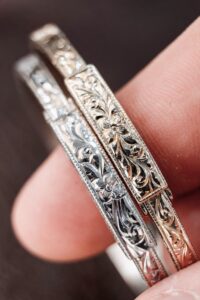
Fine jewelry crafted from precious metals is designed for longevity, but each metal behaves differently over the years of wear.
When comparing precious metals, gold is timeless and elegant, but it is naturally softer, especially when mixed with other alloys to enhance strength. This means engagement rings made from gold may develop scratches more easily. In contrast, platinum is denser and more durable, making it an excellent choice for everyday wear.
Sterling silver is softer still and more prone to dents, scratches, and tarnishing. Exposure to air and moisture can lead to tarnish, creating a darker surface appearance. While tarnishing may affect the look, it does not compromise the structure of the jewelry piece itself.
It’s also important to note that white and rose gold are often plated. Over time, this plating may wear down, subtly changing the color and requiring professional jewelry repair or refinishing.
Gemstones
The durability of gemstone jewelry depends on three key gemstone factors: hardness, toughness, and stability.
Diamonds remain the most durable option, making them ideal for engagement rings worn daily.
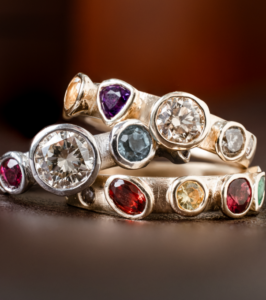
Softer gemstones require more careful handling. Gems such as amethyst (quartz) and pearls (calcium carbonate) are more susceptible to damage. Opals comprise hydrated silica and, while iridescently beautiful, are very fragile. These stones are soft, porous, and contain water, making them more vulnerable to chemicals, temperature changes, and surface damage. Over time, their luster can diminish if not properly maintained.
Understanding the properties of your gemstone helps set realistic expectations for wear and helps guide proper care routines.
Jewelry Design
Beyond materials, the design of a piece (cut, shape, and setting) plays a significant role in its durability.
Settings that rely on prongs to hold stones in place (common in engagement rings) allow more light to enter the gemstone, enhancing brilliance. However, prongs can wear down over time, increasing the risk of loose stones. A key way to determine if your prongs need attention is to notice the shape of them. If the prongs start to look flat or sit flush on top of the stone versus in the traditional claw or prong shape, then it’s time to have them evaluated.
Protective settings such as bezels or halos offer more coverage and security. The height of the setting also matters. A higher setting exposes the stone to more impact, while a lower profile reduces the risk of damage.
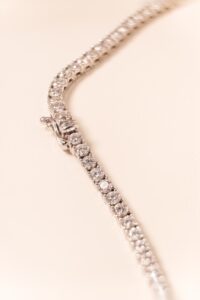
Other structural elements, such as the shank of a ring (the solid metal band that wraps around your fingers, excluding the setting), can thin over time with regular wear. Chain bracelets and necklaces may weaken at connection points, and clasps can loosen with repeated use.
What is Considered Normal Jewelry Wear and Tear?
Even with proper care, normal jewelry wear can happen. Recognizing what is “normal” helps you determine when professional attention is needed.
Common signs of wear include:
- Light scratches and surface scuffs on metals
- Minor dents or slight changes in shape
- Gradual dulling of a gemstone’s luster
- Slight thinning of a ring shank after years of wear
- Loosening prongs that hold gemstones in place
For engagement rings and wedding bands worn daily, these changes are expected. Similarly, earrings and bracelets may experience wear at clasps or hinges. It’s also not uncommon for earring backs to lose their tension over time, leading to the backs not gripping an earring as tightly – which can lead to earrings falling out.
You may also notice tarnish forming on certain metals, particularly silver. This is a natural reaction and can be addressed through professional cleaning or jewelry repairs.
One of the most important signs to watch for is loose stones. If a gemstone shifts or rattles, it’s essential to seek jewelry repair promptly to prevent loss.
How to Minimize Wear and Tear on Your Jewelry
While wear is inevitable, thoughtful habits can significantly extend the life of your jewelry.
Consider these best practices:
- Remove jewelry before exercising, swimming, or cleaning
- Avoid exposure to chemicals, lotions, and perfumes
- Store pieces in a soft-lined jewelry box to prevent scratches
- Keep items separated to avoid metal-on-metal contact
- Clean jewelry regularly with a soft cloth to maintain luster
- Avoid wearing multiple bracelets together to reduce friction
- Take off earrings before sleeping to prevent bending or loss
- Schedule quarterly inspections to check prongs and settings
- Be mindful of ring size — improper ring sizes can stress the shank
- Rotate your favorite pieces to reduce constant wear
These simple steps help preserve both the structure and appearance of your jewelry pieces over time.
When Is Jewelry Repair Necessary?
While normal wear is expected, certain signs indicate the need for professional jewelry repair:
- Worn or flattened prongs
- Noticeably thin or cracked ring shank
- Broken clasps on bracelets or necklaces
- Persistent tarnishing that does not improve with cleaning
- Loose stones or missing gemstones
- Bent earrings or misshapen settings
Addressing these issues early prevents more extensive damage and protects the integrity of your jewelry.
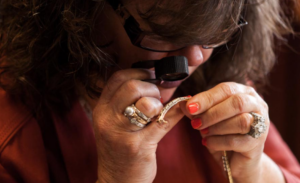
At JPratt Designs, jewelry repairs are handled with precision and care. Whether restoring engagement rings, resizing for proper ring size, or repairing delicate gemstones, each piece is treated as both an investment and a personal treasure.
Get Expert Jewelry Care and Maintenance at JPratt Designs
Jewelry is meant to be worn, enjoyed, and passed down through generations. With thoughtful care and timely jewelry repairs, your most meaningful pieces can retain their beauty for years to come.
JPratt Designs brings more than 30 years of craftsmanship and experience to every piece. From inspecting prongs and securing gemstones to restoring the luster of worn metals, each service is performed with a commitment to quality and integrity.
If your jewelry shows signs of wear, or if you simply want peace of mind, schedule a consultation to ensure your collection continues to shine as it was intended.